INDUSTRY:
HEALTH AND WELLNESS
CLIENT:
DESIGN STUDIO 2 CLASS
YEAR:
2024
Ethical Yoga Brand Design.
about.
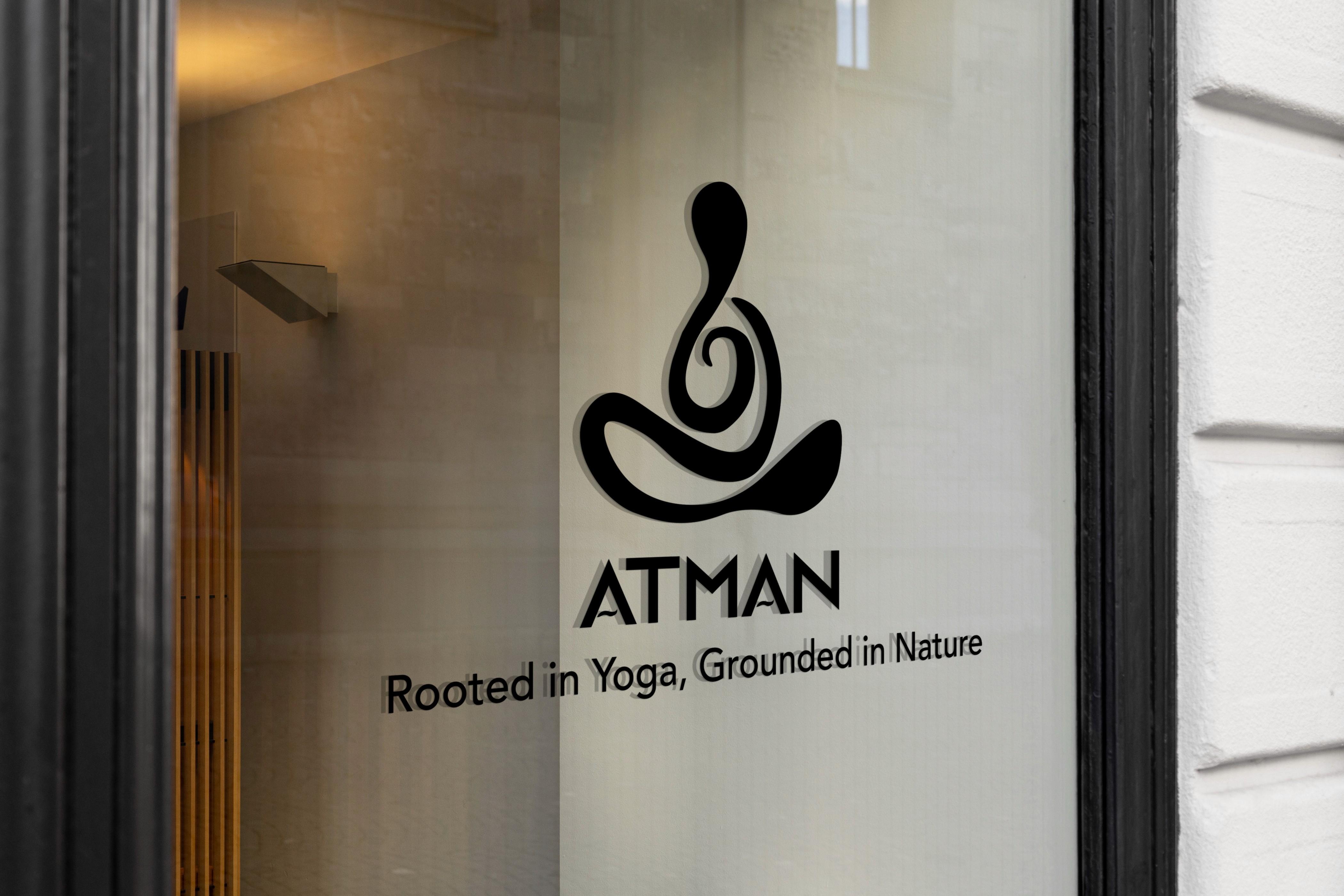
Atman is a brand identity focused on designing a conceptual product rooted in values of mindfulness, sustainability, and connection. Inspired by the Sanskrit word for "inner self" or "soul," Atman represents a yoga lifestyle brand that extends beyond just physical practice—it's about living with intention on and off the mat.

Problem Statement and Objective
The yoga industry has become so commercialized that it often contradicts the very principles it was built on. Most yoga mats are made from toxic, non-biodegradable materials like PVC, which contribute to environmental waste and pollution. Mass production of these mats often relies on unfair labor practices, with workers receiving low wages in poor conditions. At the same time, fast fashion has influenced the industry, encouraging constant consumption with seasonal colors and trends rather than prioritizing durability and sustainability. Instead of supporting mindful, ethical practices, many brands prioritize profit, creating products that harm both the planet and the people making them.
This project aimed to rebrand a company facing ethical concerns by analyzing its current identity and redefining it through values like sustainability, inclusivity, and transparency. The process included audience research, competitive analysis, and the creation of a redesigned brand that leads with integrity and mindful impact.
Business challenges.
High Production Costs vs. Price Competition: The necessity of using eco-friendly, non-toxic, and biodegradable materials (instead of cheap PVC) and upholding fair labor practices results in higher manufacturing costs. This makes it difficult to compete on price with mainstream brands that prioritize profit over ethical sourcing.
Combating the "Fast Fashion" Consumption Model: The industry is heavily influenced by fast fashion, which encourages consumers to buy based on seasonal trends and constant consumption. An ethical brand must persuade customers to choose durability and sustainability over trendy, disposable products.
Overcoming a Contradictory Industry Identity: The brand must establish integrity in a market that has become so commercialized it often contradicts the ethical principles of yoga itself. This requires significant marketing effort to build trust and prove genuine commitment to values like transparency and social responsibility.
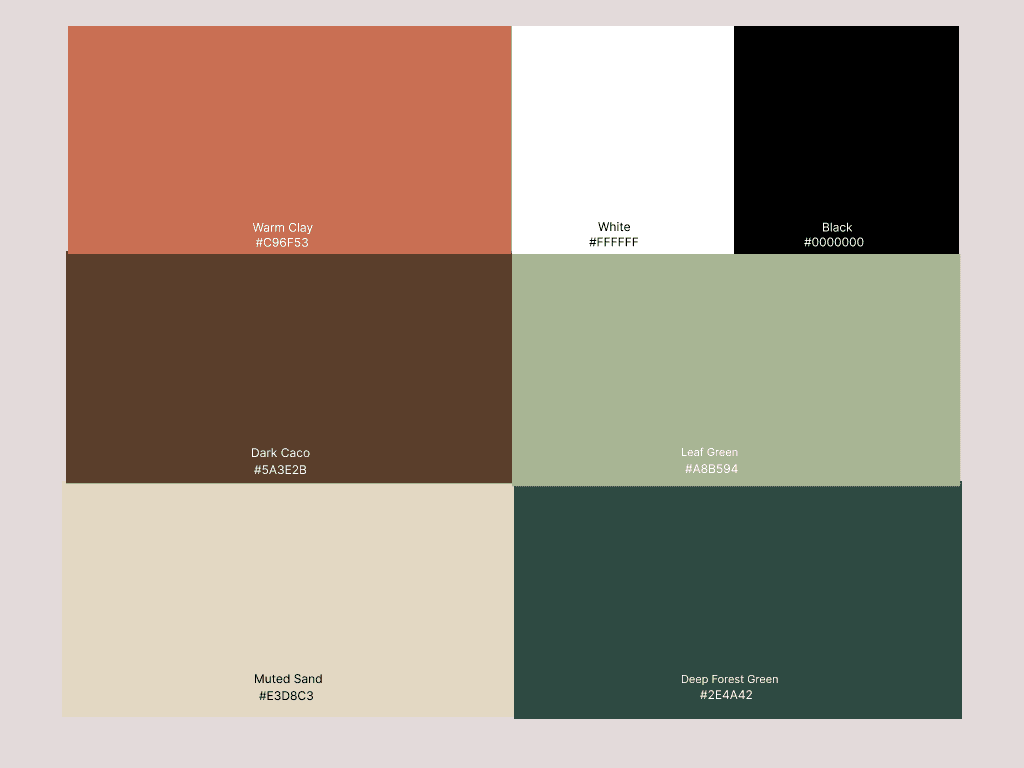
result.
Prioritizing sustainability, ethical labor, and authentic yogic values: This rebranded company sets itself apart by rejecting the commercialization of yoga and prioritizing sustainability, ethical labor, and authentic yogic values. It addresses industry-wide ethical concerns through the use of eco-friendly materials, fair trade manufacturing, and a commitment to durable, timeless products that reduce waste—while clearly communicating core values of transparency, moral integrity, environmental responsibility, and social accountability.